Unforeseen
- 2026
- Maneco Müller : Multiplo Galeria
Unforeseen Events
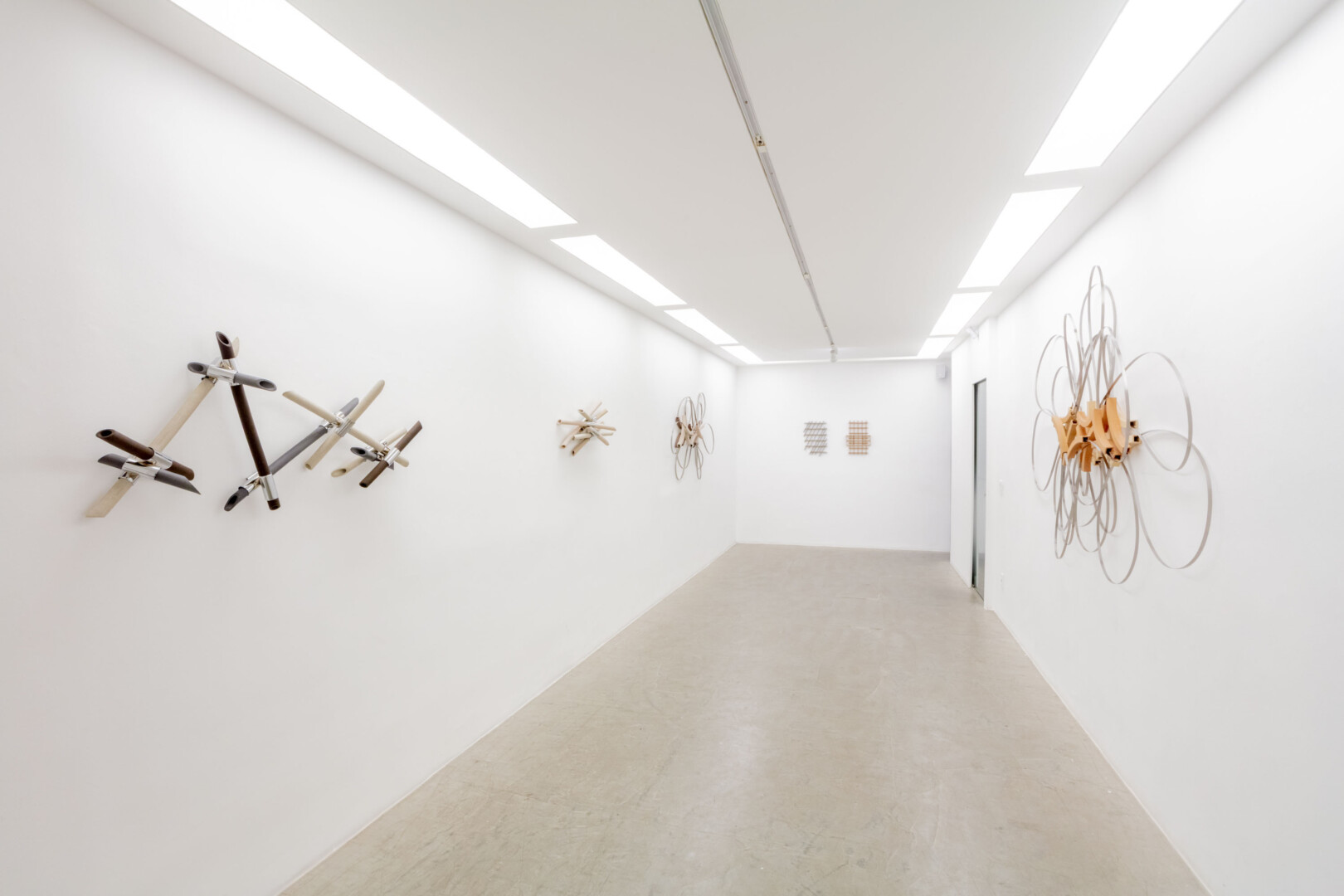
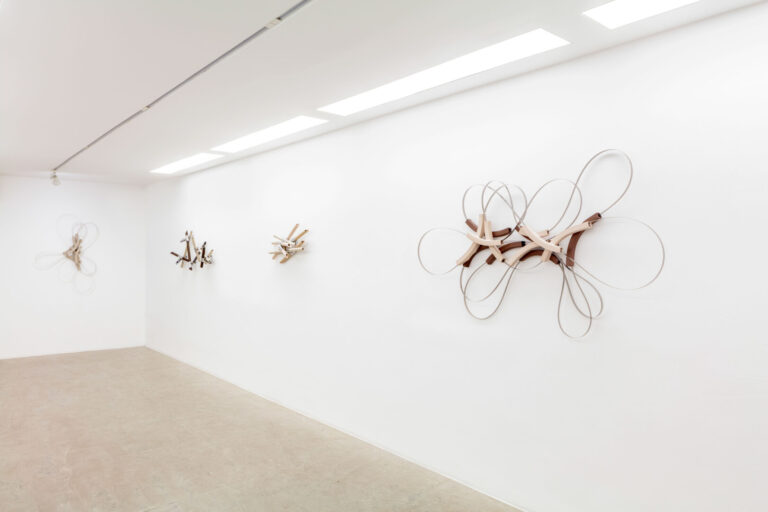
Ana Holck is a sculptor from Rio de Janeiro and one of the leading figures of her generation in Brazil, who has dedicated herself to rigorous and experimental research for more than two decades. Her work originated during her formative years as an undergraduate in architecture, then continued to develop during her studies in art at the Parque Lage School of Visual Arts and the university. It carries elements that lend an original lightness to her pieces: movement is a distinctive feature of the process, aligned with an inexhaustible curiosity for the exploration of form in space.
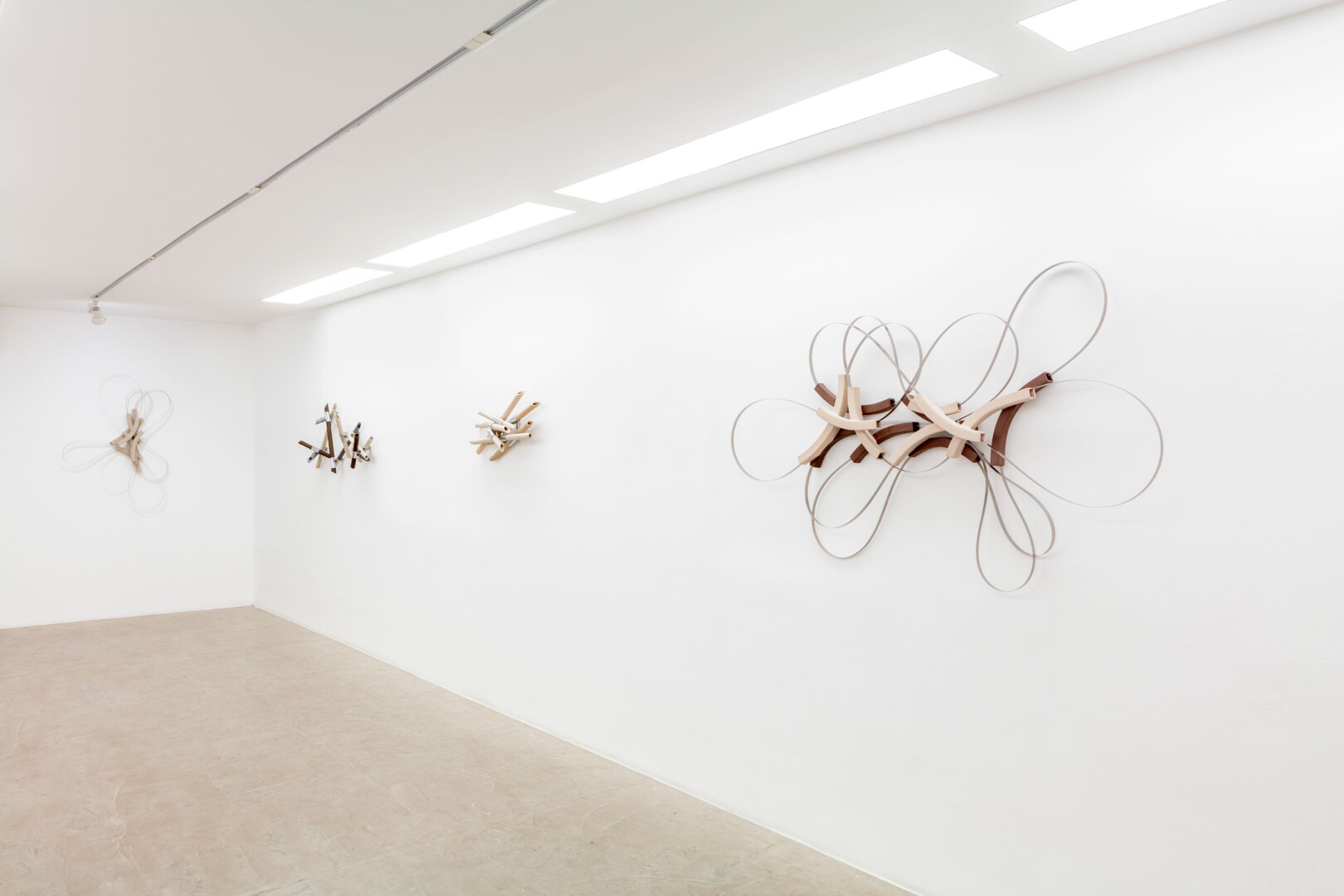
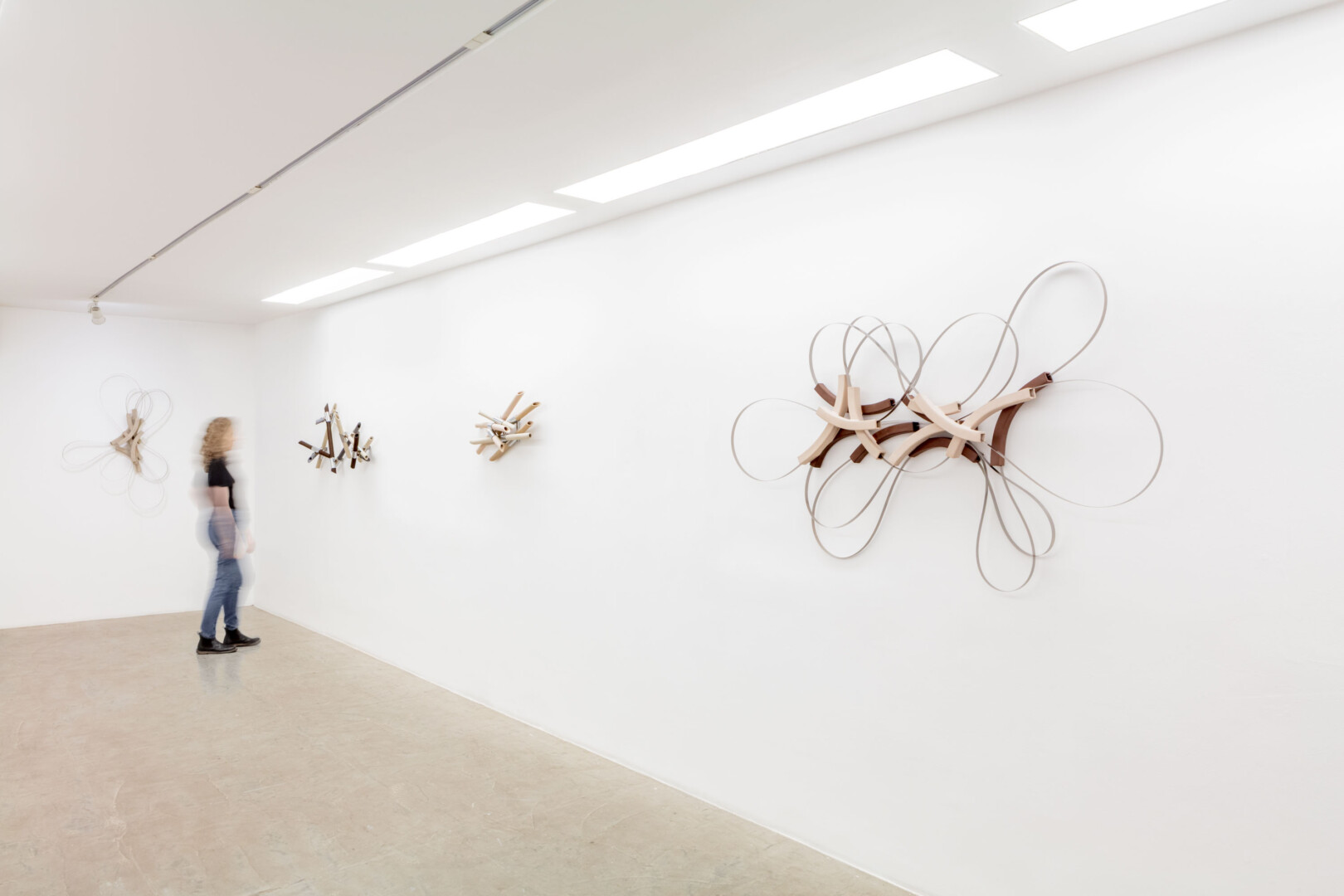
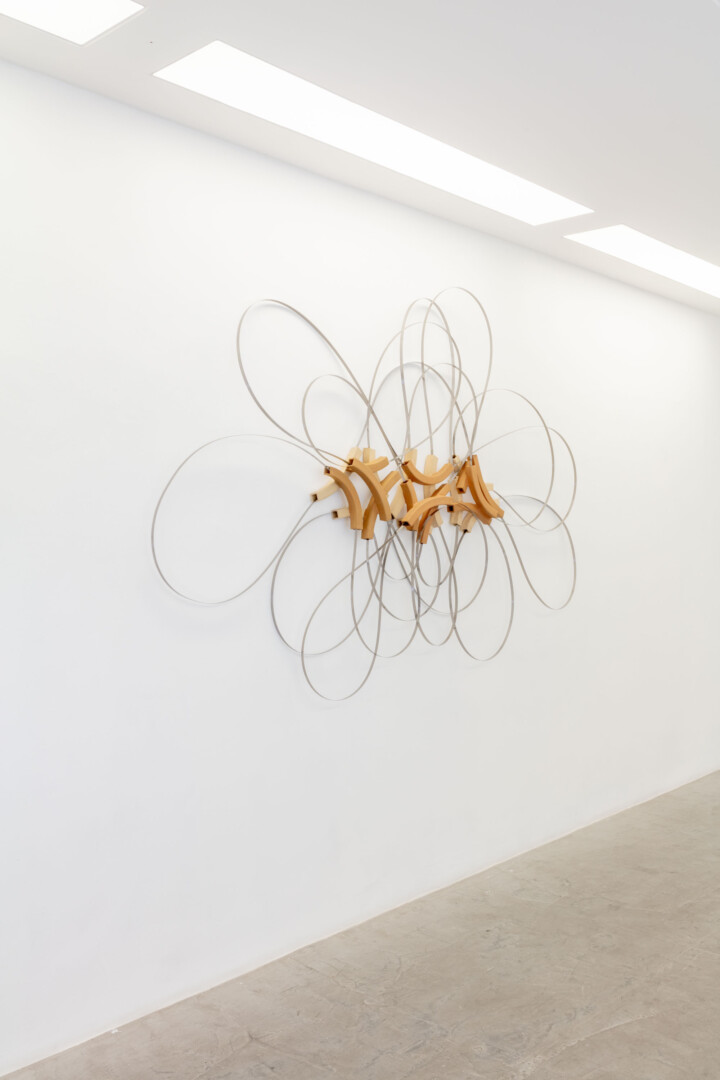
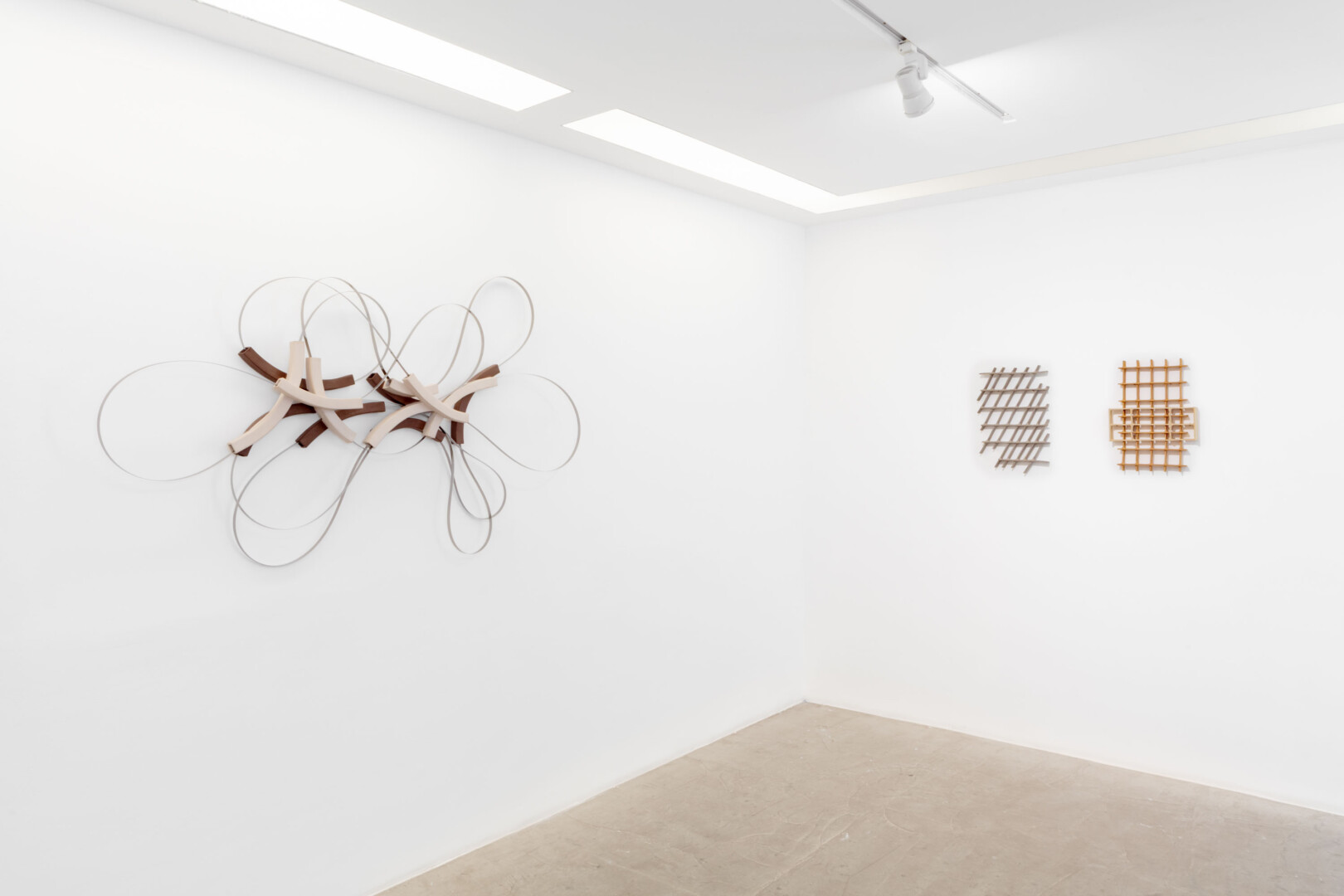
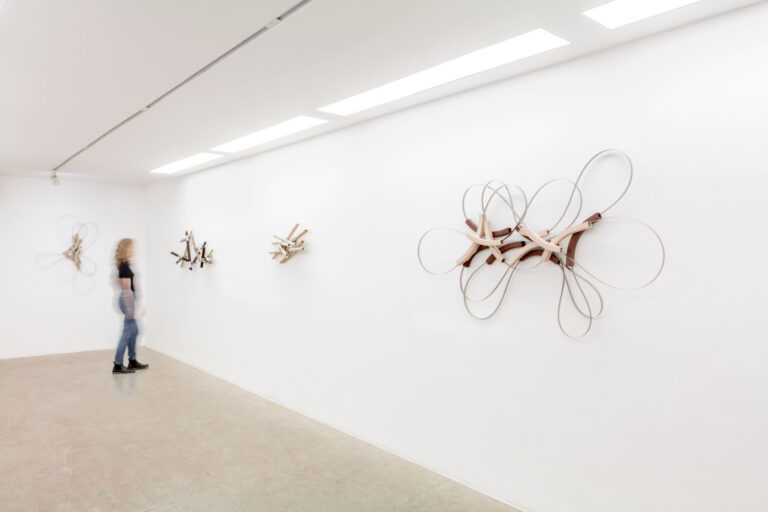
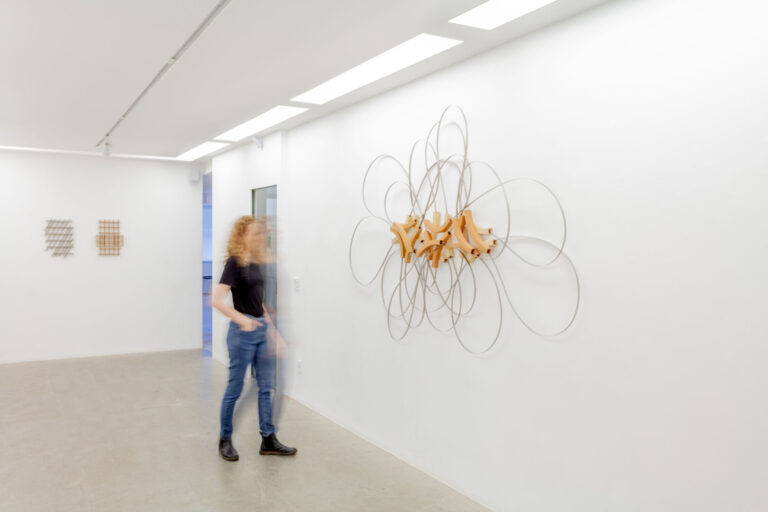
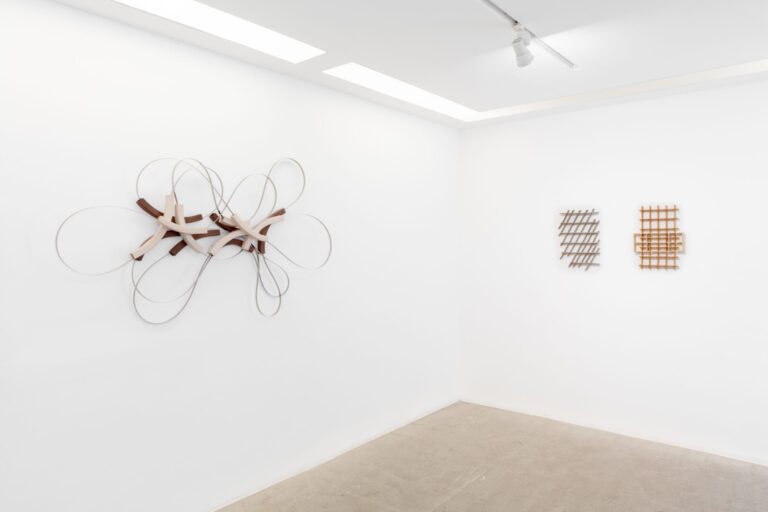
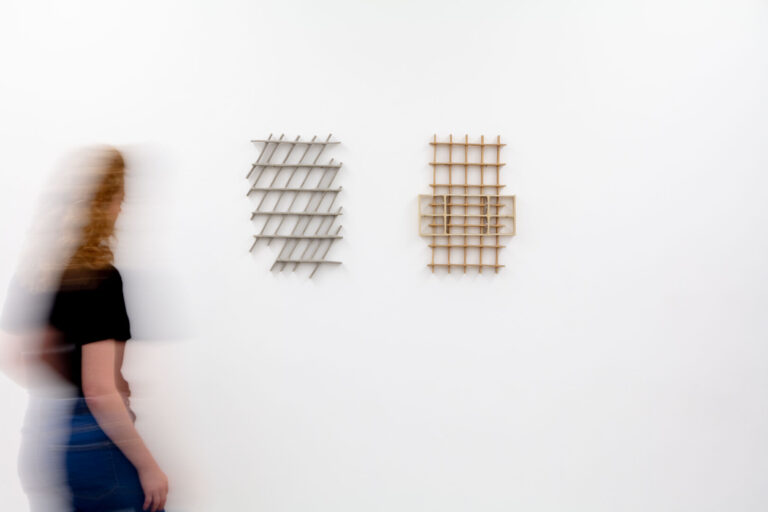
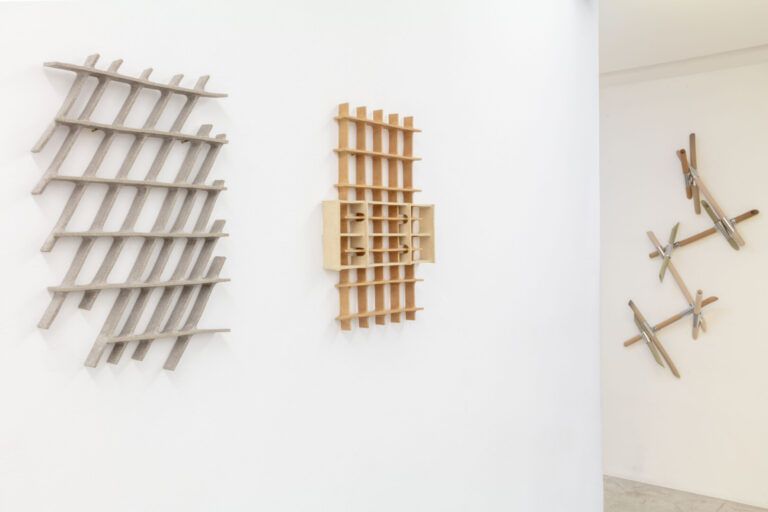
Nearly ten years ago, Ana Holck began working with sculpture, broadening her horizon with possibilities and renewing her practice. After a period of investigating concrete, iron and linear forms through a more rational approach, she gave new meaning to her work in the studio by using clay, investing in new relationships between organic and inorganic materials, tensions between straight lines and curves, the duality of material fragility and hardness – as a silent metaphor for life, full of unforeseen events and impossible to contain. Ana creates structures that defy formal stability, but at the same time are solid, activating the bodily perception of the viewer. Her work critically engages with contemporary sculptural discourse, while it maintains strong poetic and experiential qualities, through a body of work in constant invention that has matured and embraced risk.
In this exclusive interview, Ana Holck discusses her references, her creative process, projects, as well as the theoretical and practical questions that led to the recent sculptures presented in this solo exhibition. Through a continuous investigation of spatial structures, material tensions and experimentation with the language of sculpture, she establishes a sophisticated relationship between materialities, the expansion of form, and the vital necessity of the artistic gesture, as can be understood from this conversation.
Daniela Labra
Interview with Ana Holck, conducted on Google Meet, 23 April 2026
Daniela Labra: Ana, thank you for agreeing to this meeting and this interview, whose format gives the public a greater proximity to your work and thought, less distanced than the model of writing a critical text about the work. I’d like to start by talking about the title, ‘Unforeseen Events’. How did you come up with it?
Ana Holck: The title occurred to me when I abruptly lost someone very close to me. From that moment on, titles of the works became more urgent, more intimately connected with my life. ‘Unforeseen Events’ carries a sense of urgency. It started happening more in my life and my work: the more you expose yourself and submit to the outside world, the more things get out of your control. I, who was always reserved and rational, suddenly found myself in a short-circuit… (laughs)
By its very nature, ceramics has this urgency, a certain time, demanding a rhythm. It is a living material that requires dedication. There are many stages, it involves risks and many moments in which everything can go wrong. I count on unforeseen events, I’ve learned to deal with them.
D.L.: So, still on the subject of the ‘short-circuit’… When you were very young you took contemporary dance classes, and we’ve often talked about how this influenced your sculptural practice, in a way. However, you studied architecture, which is a much more rational and mathematical kind of activity. How does your current work bring together aspects of the body and the exploration of space in the sculptures?
A.H.: When I graduated in architecture, I focused on spatial issues, installations. Sculpture only came later, when I started feeling the need to have works on a scale that enabled me to manipulate and keep them.
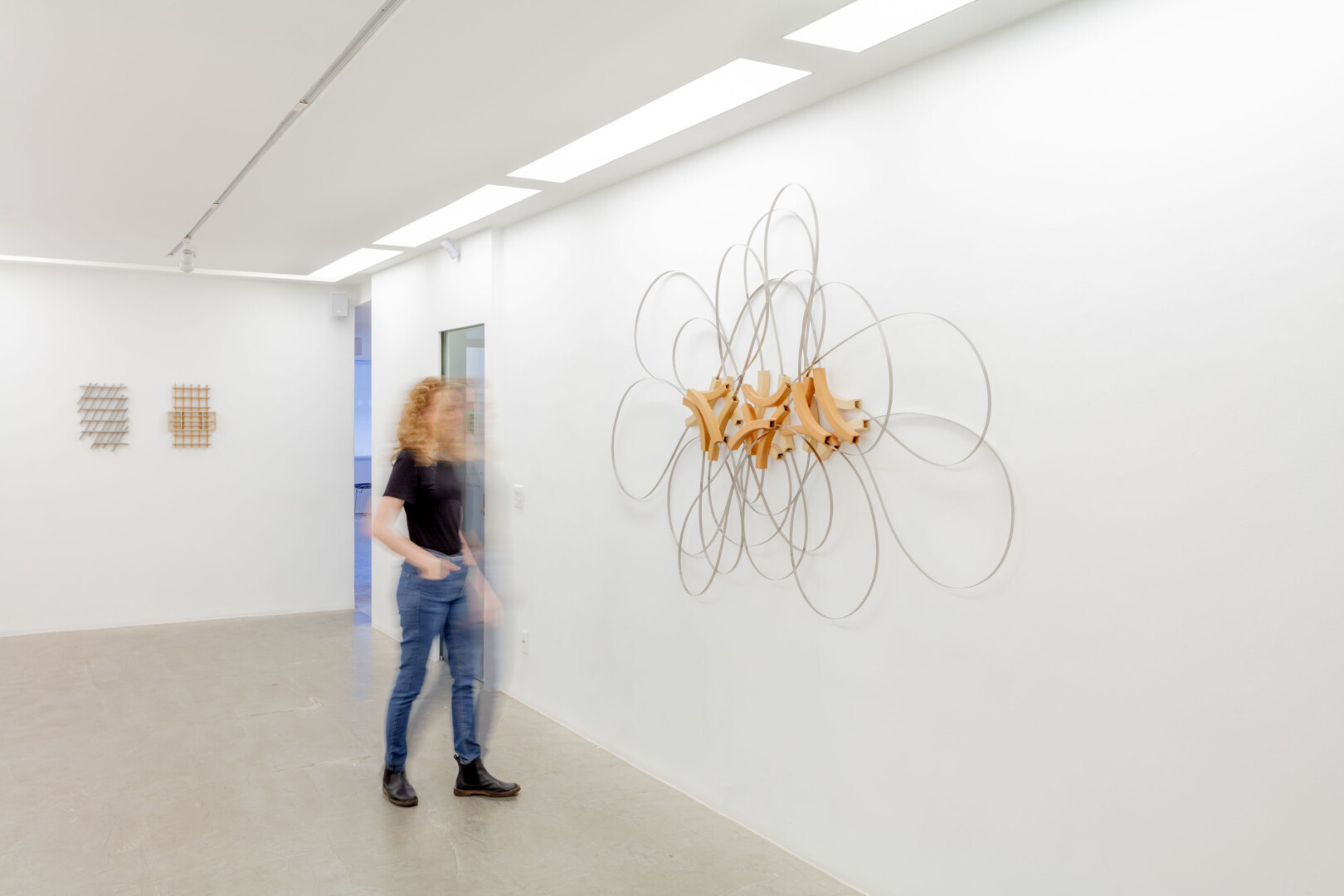
When we consider space, we’re talking about a body experiencing this space; in a way, this was connected to the making process itself. In the installations, there was also the physical involvement of installing the works. And this involvement reappeared in the installation of my most recent works, in which I insert metal in ceramics. During this process, I noticed a movement that was generated by the sculpture itself and I decided to film the installation of a work in time-lapse. I put the camera on a tripod and the video went viral. From then on, I started filming more often and I pay attention to this movement during installation, there is something performative about it. Life in the studio is a life of experimentation. It’s a great construction site, isn’t it?
D.L.: What would define sculpture today? Because sculpture, of all the traditional languages, has perhaps reinvented itself the most in the last hundred years, with the readymade, the idea of expanded sculpture and installation art. What do you think defines sculpture nowadays, in terms of language, category and conceptualisation?
A.H.: I had to stop thinking about that, because I had to do my work, otherwise I would have gone crazy! I think the artist ends up entering a more singular universe, permeated by what surrounds them and the things that are happening at that moment. I believe in an intrinsic sensibility to the time we live in, which converges in art.
Nowadays I see there is a big crisis; we are living in an extremely virtual world. I feel there is a return to making, to the concrete manipulation of the real. Ceramics has gained prominence in contemporary times, also thanks to those characteristics. All of this is connected to a certain sickness in society. In a way, I became ill and felt the need to make things with my hands. I chose ceramics, because I had this need to control my process.
When you work in sculpture on a larger scale, you stay in the position of being the designer, the one with the idea, but you often have to resort to other hands and machines, you rarely carry it out yourself. I started to really miss having a hold on the means of my production. Learning the technique of ceramics takes time, but the central issue is being able to make this work within your own language, reflecting your own thinking.
D.L.: A situation in which a simple change to a project in the studio generated a new work, gave meaning to the research that you were already carrying out…
A.H.: There are works that are ‘designed’, very rational, it is a possible path – it is the path I come from. But when you’re in the studio, things happen differently, they change, transform. The most transformative things in my work have emerged from such experiments, from trial and error. When the process includes intermediaries, everything slows down. In the studio, when you’re busy working and it’s not going well, you can change course right away. It is a more capillary way of being in the world, because everything happens more organically, instinctively and quickly. But I also understand that these changes, even in the studio, don’t happen all the time. There are moments when you place yourself in this void, you submit to the process, to accidents – and you must be ready to see them as openings and possibilities.
I had been making ceramics for some time, when I arrived at the Entroncados (Convergences). I was searching, trying to make this work and that, until an unforeseen event changed it all. It is astonishing when the work shows you something new; it was a simple change in the position of a work that opened up a whole new universe to me.
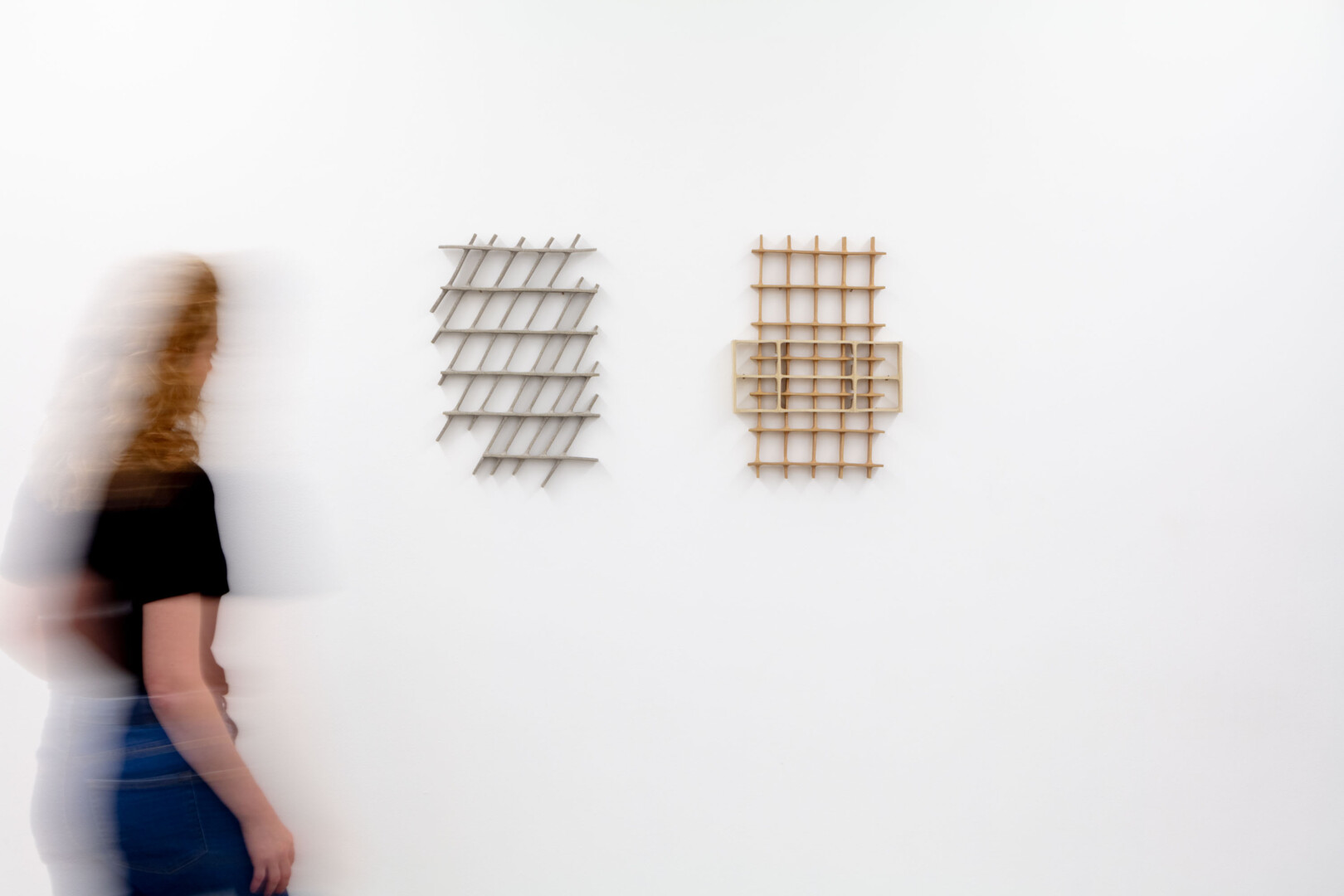
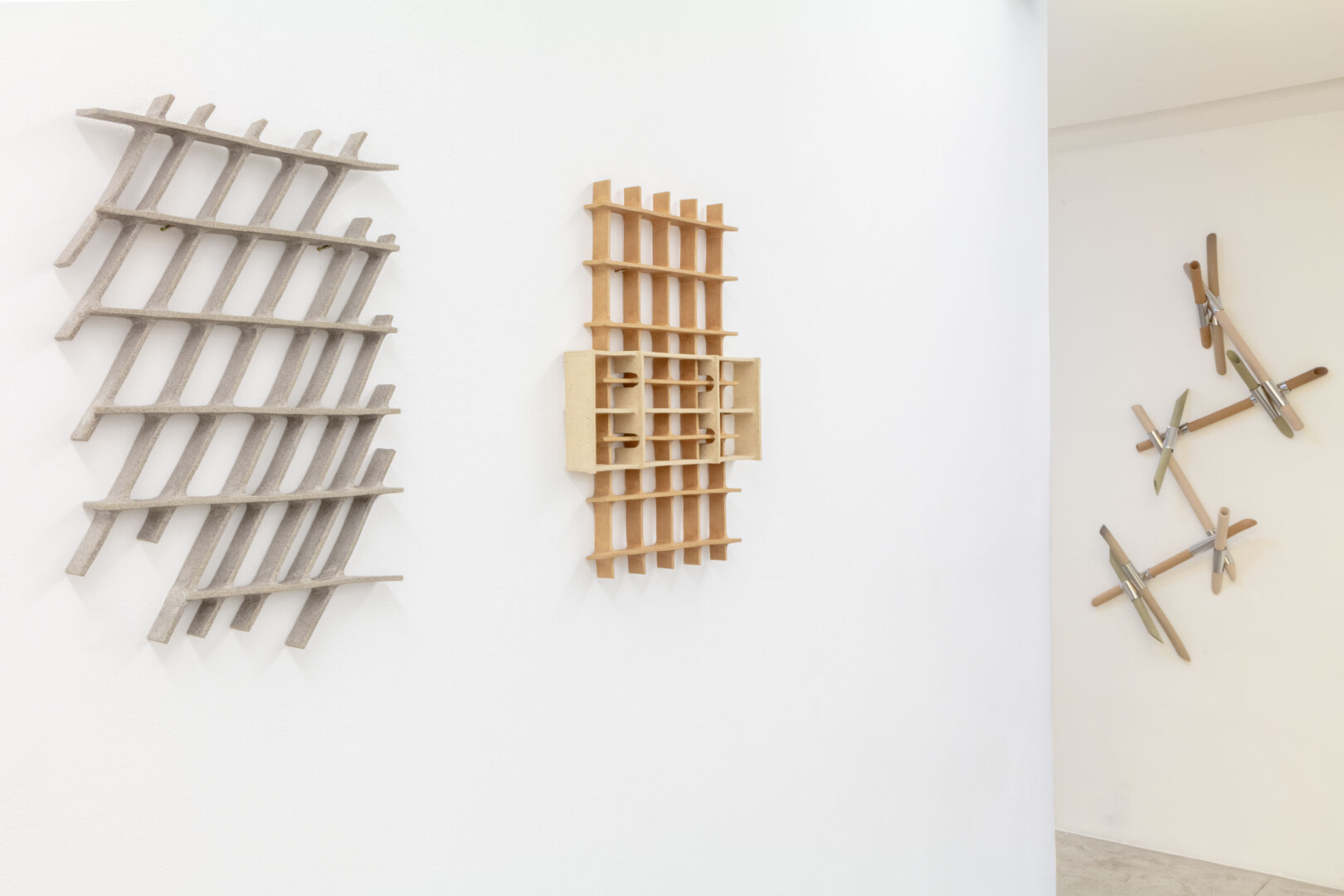
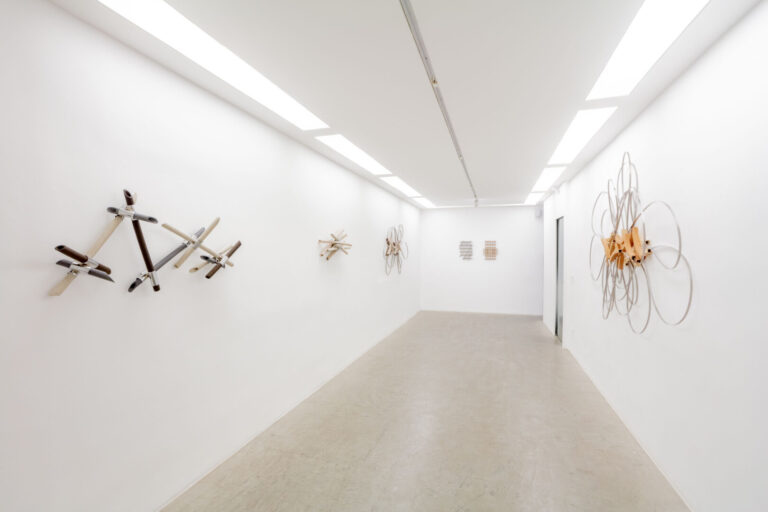
D.L.: You work on different scales, from smaller pieces to installation projects for large spaces. I have the impression that the smaller works can be seen as embryos of the larger projects. Is that right? Are you concerned with a certain modular characteristic of your sculpture; can they be understood both as individuals and as parts of a larger body?
A.H.: I am very interested in the issue of modulation and repetition with small variations that evade order and control. The module is a kind of mechanism for me. With ceramics, the module issue has become more central, as a possibility for increasing the scale, but there is no rule on how that expansion will happen. Some works already emerge as embryos of an expansion, others don’t. Sometimes the visualisation of the expansion comes much later; you make the piece and only later understand that it could work on another scale.
D.H.: Yes… And if you could carry out a project in the near future, after the current exhibition, what would you envision for this future?
A.H.: Since I started making ceramics, from a movement of inner urgency, I have needed to rethink the scale of my work, sometimes expanding it, sometimes reducing it. It took me a long time to achieve a larger scale with ceramics. The research I started and interrupted often returns, you know? I am very interested in the possibility of creating site-specific installations, with a physical impact and on a large scale, but I would never let go of my studio practice. I find it very interesting to work with different scales, and in fact, one does not exclude the other.